

2025 Teen Book Reviews
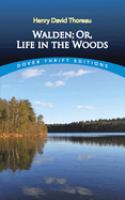
Walden by Henry David Thoreau
Reviewed by Anonymous
Walden by Henry David Thoreau is a reflective and philosophical work exploring the author’s attempt to live simply and deliberately in nature. Thoreau spends two years in a small cabin near Walden Pond, seeking to step away from the pressures of society and discover what is truly essential in life. The book is a blend of memoir, social criticism, and nature writing, and its meditative tone encourages readers to examine their own values and habits. One of the most compelling aspects of Walden is Thoreau’s emphasis on simplicity. He argues that people often burden themselves with unnecessary possessions, routines, and expectations. By stripping his life down to the basics—food, shelter, meaningful work, and quiet reflection—Thoreau demonstrates how much freedom can come from living with intention. His observations about time, productivity, and materialism feel surprisingly relevant even today. Nature plays a central role in the book, not only as a setting but also as a source of wisdom. Thoreau’s detailed descriptions of the changing seasons, wildlife, and the pond itself reveal his deep appreciation of the natural world. These passages slow the reader down, mirroring the peaceful rhythm of Thoreau’s daily life. They invite us to notice beauty and meaning in small, ordinary moments. Thoreau also challenges conventional ideas about success. Instead of measuring achievement through wealth or status, he encourages readers to seek personal growth, clarity of thought, and inner peace. While some of his views may come across as idealistic or impractical, they provoke valuable reflection about how society shapes our priorities. Overall, Walden is a thoughtful and inspiring book that urges readers to live more mindfully. Its blend of philosophy, nature writing, and personal reflection makes it a timeless meditation on what it means to live a purposeful life.
Pride and Prejudice by Jane Austen
Review by Anonymous
Pride and Prejudice by Jane Austen is a classic novel that blends romance, social critique, and humor through the story of Elizabeth Bennet and her complicated relationship with Mr. Darcy. Set in early nineteenth-century England, the novel explores themes of class, marriage, reputation, and personal growth. Elizabeth, intelligent and independent, often clashes with the expectations placed on women of her time. Her quick judgments, especially of Mr. Darcy, reflects the novel’s central idea that first impressions are not always accurate. One of the most engaging aspects of the book is Austen’s portrayal of the Bennet family. Their financial insecurity and the lack of a male heir create pressure for the five sisters to marry well. While this situation leads to moments of humor—especially through the dramatic Mrs. Bennet—it also highlights the limited choices women had in Austen’s society. Elizabeth’s refusal to marry for convenience sets her apart and makes her a refreshing character who values personal happiness over social approval. Mr. Darcy’s development is equally important. Initially proud and distant, he becomes more likable as the story progresses, revealing a kinder and more generous nature. The gradual shift in his relationship with Elizabeth, from misunderstanding to mutual respect, gives the novel emotional depth. Austen’s sharp wit and precise language make the story enjoyable, while her insights into human behavior keep it relevant today. She offers a thoughtful critique of social norms without losing the charm of a compelling love story. Overall, Pride and Prejudice remains a timeless novel because of its memorable characters, engaging plot, and warm humor. It continues to resonate with readers who appreciate stories about growth, honesty, and the power of understanding.
Into the Wild by Jon Krakauer
Review by Luke M.
Jon Krakauer’s Into the Wild is a nonfiction story that feels like both a mystery and a character study. It follows Christopher McCandless, a young man who abandons a normal path after college, cuts ties with comfort and expectations, and sets out on the road under a new name. Krakauer traces his travels across the American West and eventually toward the Alaskan wilderness, piecing together where he went, who he met, and what might have driven him. The central conflict is largely person versus nature, but it is also person versus self, because the hardest fights in the book are about identity, pride, independence, and what it means to live with nothing but your own choices. The way the book is organized kept me hooked. Krakauer does not tell the story in a straight line. He jumps between timelines, interviews people McCandless encountered, and adds background about McCandless’s family life and the ideas that influenced him. That structure makes it feel like you are investigating alongside the author, slowly getting a clearer picture without having everything handed to you right away. My opinion shifted while reading. At first I admired McCandless for being bold and fearless, because there is something appealing about rejecting a fake life and going all in on adventure. But as the story went on, I also felt frustrated at times, because his confidence can come off as reckless and he often refuses help when he probably should not. Still, I never stopped caring about what happened to him, and that is what makes the book powerful. Overall, thumbs up. It is intense, thoughtful, and surprisingly emotional, especially if you like the outdoors, true stories, and books that make you argue with yourself while you read.
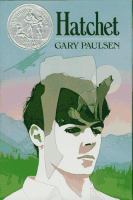
Hatchet by Gary Paulsen
Review by Luke M.
Hatchet by Gary Paulsen is the kind of book that wastes zero time getting you into trouble, and then makes you figure it out step by step. It follows Brian Robeson, a teenager flying in a small plane to visit his dad when everything suddenly goes wrong and he ends up alone in the Canadian wilderness with only a hatchet for real survival gear. From there, the story becomes a gritty learning curve: Brian has to build shelter, find food, make fire, deal with animals, and handle the mental side of being totally isolated. The main conflict is survival against nature, but the bigger fight is Brian versus panic and hopelessness. What I liked most is how practical and visual the writing is. Paulsen makes you feel the cold water, the hunger, the bugs, the fear at night. It is not dramatic in a cheesy way, it is dramatic because it feels possible. The book also does a good job showing how Brian changes, not with some big speech, but through small wins and mistakes that slowly turn into confidence. You can tell he starts out as a regular kid, and then the wilderness forces him to grow up fast. My opinion: I was locked in the whole time. It is a simple concept, but it stays interesting because every choice matters. I also liked that it made me think about how most people, including me, would probably overestimate how prepared we are until it is real. If you like survival stories, outdoor adventures, or anything that feels intense without being complicated, Hatchet is an easy recommendation. Thumbs up.